


Flexo Press Machine
WISDOM MACHINERY is famous brand in the world, We are special in soft packaging& printing machinery, including stretch film making machine , film blowing machine,plastic bag making machine, flexo printing machine, recycling machine, slitting machine, filling machine etc.
we are already sold to more than 168 country, such as: Hungary , USA,Mexico, Canada, Argentina, Brazil,Chile,Ecuador, Paraguay, Colombia, Peru, korea,malaysia, india,thailand, bangaladesh, phillppines, pakistan, Turkmenistan, Azerbaijan, Armenia, Indonesia. Iran , Saudi arabia, Syrian, Jordan, Lebanon, Palestine, kosovo, Israel.
Why Choose Us
Experienced and Professional Team
Our team is made up of experienced professionals who are committed to providing the best services and support to our clients.
High-Quality Products
We produce high-quality packaging machinery that meets international standards. Our machines are durable, reliable, and easy to operate.
Fast Delivery
We understand the importance of timely delivery, and we are committed to delivering our products within the shortest time possible.
Competitive pricing
They offer competitive pricing for their products and services, making them a cost-effective solution for your machinery needs.


Flexo continues to be the most popular of all web-fed technologies that has been deployed throughout the printing industry. A flexo press uses flexible photopolymer printing plates to imprint images across a wide range of surfaces, making it one of the most efficient methods for large volume requirements.
Flexo printing is reliable and provides consistently high quality print results at the same time. The printing method is similar to letterpress in how it works, except that ink volume is governed by a laser engraving inking roller – called the anilox roller. The process itself is relatively simple in theory, using a relief image plate, mounted onto a rotating cylinder, collecting then depositing ink onto the substrate with each revolution.
High Quality Print
Flexography achieves a consistently high level of print quality across a wide range of materials/substrates without the need of special coatings, as it reduces the overall cost per unit. This is a significant advantage over other print solutions which may have a very narrow band of compatible substrates.
High Speed Production
Flexo printing is fast. Modern Flexo presses have increased this capacity to over 600 FPM, giving a big advantage to businesses that have chosen to invest in more recent equipment. The use of rotary print heads also makes it possible to print continuous patterns, an innovation that allows printers to complete complex designs in a single print run.
Extremely Versatile Print Process
Flexographic printing can be applied to a wide range of industries, including textile printing, packaging printing, label printing and more. The versatility of the machines means that presses can be adapted to accommodate different types of order, giving print businesses the ability to diversify their market appeal and remain competitive.
Very Economic For Medium & High Volume Production
Despite great advances in digital printing, digital is still expensive and comparatively slow for medium and high volume print runs. For the many clients who still require medium to large volume print runs, especially in the label business, flexography wins hands down and can often compete with Digital on short runs too.
In-Line Converting Flexibility
Cycle time is drastically reduced by the in-line converting capacity native to many modern Flexo presses. This means that most print runs can be completed in a single pass. Flexographic printers can integrate many other kinds of in-line processes too, including silk screen, hot foil, cold foil, digital print, variable data print, lamination, booklet insertion, RFID insertion, multi-layer printing, and reverse side print. It is also possible to apply primers, coatings, adhesives and varnishes in-line, cutting overall finishing time.
Possible To Print On A Wide Range Of Substrates
Flexographic printers can adapt themselves to print on a very wide range of substrates, including paper, board, foil, plastic film, cellophane, recycled substrates and a variety of textiles.
Easy To Use And Maintain
One of the arguments in favour of digital printing is the supposedly cumbersome setup time required by flexographic presses. While this may have been the case in the old typesetting days, modern Flexo presses actually have very short set up and job changeover time, enhanced by the latest Servo drive systems. Furthermore, a Flexo press will give you a long production lifespan – and an impressive ROI – with relatively few maintenance requirements, so long as the unit is serviced regularly.
Types of Flexo Press Machine
Digital Printers
Digital inkjet printers can print on a wide range of materials such as paper, plastic, canvas, and even doors and floor tiles. These printers are ideal for short to medium runs because they are controlled by a computer. The quality of your prints is determined by the machine, so look for machines that can continuously feed the substrate.
Screen Printers
There are two types of screen printing: flat and rotary, which differ slightly in the process. In both cases, the ink can adhere to a variety of materials, including paper, textiles, ceramics, wood, and metal.
Flexographic Printing Machine
Flexographic printing can be done on a variety of substrates such as film, paper, foil, and non-woven. Elastomer or polymer image carriers, such as sleeves, cylinders, and plates, are commonly used in flexographic printing. Ink is transferred from the ink pan to the image carrier via an anilox roll before being printed onto the substrate.
Offset Printers
Offset lithography, a type of printing method, necessitates the use of a printing plate, which is typically made of aluminum and contains an image of the material to be printed. After being inked, the image is transferred (or offset) from the plate to a rubber "blanket" and then onto the substrate. Extra maintenance is frequently required to ensure plate quality; plates are prone to oxidation if not properly cared for.
Rotogravure Printing Machines
Gravure image carriers are typically much more expensive than Flexo, requiring a much higher number of prints to break even. Gravure lead time is typically 3-4 times that of Flexo in terms of image carrier manufacturing time. One of the reasons gravure is best suited for high-detail printing on applications such as magazine covers is because of this.
Application of Flexo Press Machine
HDPE Blown Film Machineversatility and efficiency make it suitable for a wide range of applications across various industries. Here's a more detailed look at some of the common and diverse uses of flexographic printing:
Flexible packaging
Flexographic printing is widely employed in the flexible packaging industry, where it excels in producing eye-catching, durable packaging solutions for a variety of products.
●Food packaging: Flexible packaging materials like plastic films and pouches are commonly used for packaging food products. Flexography ensures vibrant graphics and barrier coatings for preserving freshness.
●Snack bags: The production of snack bags, including potato chip bags and stand-up pouches, often relies on flexographic printing to create appealing packaging with excellent shelf presence.
●Beverage labels: Many beverage labels, particularly those on bottles and cans, are printed using flexography to withstand exposure to moisture and varying temperatures.
Labels and tags
HDPE Blown Film Machinehigh-speed capabilities and ability to adhere to various substrates make it an ideal choice for producing labels and tags across different industries.
Key applications include
●Product labels: From cosmetics to consumer goods, product labels require detailed graphics and vibrant colors. Flexo printing provides the precision and quality needed for these applications.
●Barcodes and QR codes: Flexographic printing is commonly used for producing barcode labels and QR code stickers used in logistics, retail, and inventory management.
●Pharmaceutical labels: The pharmaceutical industry relies on flexography to produce labels for medication bottles, ensuring critical information remains legible.
Corrugated boxes
Flexographic printing is extensively used in the production of corrugated cardboard boxes and packaging materials for shipping and retail display purposes. Specific applications include:
●Shipping boxes: Most corrugated shipping boxes are printed using flexography, allowing for branding and product information to be applied directly to the packaging.
●Point-of-purchase displays: Corrugated displays found in retail environments often use flexographic printing to create eye-catching graphics and branding.
●Custom packaging: Flexography enables businesses to create customized packaging solutions tailored to their products and branding, enhancing their marketing efforts.
Newspapers and magazines
While digital media has gained popularity, flexographic printing still plays a significant role in the newspaper and magazine industry, primarily for high-volume print runs. Some key applications include:
●Newspapers: Flexo printing allows newspapers to be produced quickly and cost-effectively in large quantities, meeting daily distribution demands.
●Magazines: High-quality magazines, including catalogs and brochures, benefit from HDPE Blown Film Machineability to produce large volumes with speed and efficiency.
●Inserts and supplements: Flexography is used to print inserts and supplements that are often included in newspapers and magazines, offering advertisers a cost-effective way to reach a broad audience.
The three main stages of the flexo printing process


Flexo printing can be divided into three main stages: pre-press, in-press and post-press. Each stage has its own set of procedures to be followed.
Prepress
During the prepress stage, computer-generated artwork or outlines are created to serve as printing guides. The artwork serves to establish the use and placement of ink. Graphic artists send artwork to the flexographic production department. Once the plates are made, they are sent to the press along with pre-printed samples to ensure accuracy. Attention to detail during the design phase is critical to producing high-quality flexo printing.
Flexographic printing in progress
Once the printing press receives the plates and preprinted artwork, the supervisor assigns the job to the specific machine. The printer or machine operator then prepares the machine and colors to meet the requirements. They ensure that all necessary sheets, raw materials, rollers, molds and colors are available. Plates, molds and colors are installed on machines equipped with the appropriate raw materials. Operators carefully set up machines to ensure proper printing and die-cutting. After printing, a thorough inspection will be performed to verify that the results match the artwork/samples provided. This process is called "preparation" and ensures the best print quality.
Post-printing
In the post-press stage, the material received from the printing department is converted into the required quantity and rolled. They are then packed in cartons and sent to the quality department for inspection before shipping. Cutting systems are usually more advanced than printing machines and are used to cut labels, tags or other flexo-printed products. These systems are particularly suitable for small-scale production runs.
The Flexographic printing process offers businesses many benefits, not the least of which is significant cost savings when doing medium to large print runs. However a modern flexo press equally it also has the ability to handle short, medium and high output levels, this printing process can accomplish small or large jobs be that in single colour or in multiple colours.
Key components for ink distribution
In modern flexo systems only one or two rollers are involved with the actual distribution of ink during flexographic process: the fountain roller and the anilox roller.
To prevent ink build-up, a doctor blade may be installed. Its job is to ensure that no ink is transferred beyond that contained in the cells of the anilox roller. The blade scrapes the roller to remove excess ink, and is made of a precision polymer or polished hardened steel material with a bevelled edge.
Key components for ink application
Ink travels from the anilox roller onto a second cylinder called the Print cylinder which carries a flexible polymer printing plate, which is responsible for the transfer of the image to the substrate. The substrate is carried on an impression cylinder which presses the material against the printing cylinder and transfers the desired image.
The adhesive tape used to hold the polymer plate in place is double-sided and precision engineered. Consisting of several layers of material, including release liner, reinforcement film and compressible foam, the tape's tack is incredibly important, as this property will determine how well the tape holds the plate in place, as well as how easy it will be to remove at the end of a printing job.
The technology of flexo printing plates have made great strides forward that have ensured that today Flexo is the preferred choice of production. No greater advance came from the change from rubber printing plates to photopolymer plate technology which allowed higher resolution to be achieved challenging offset & letterpress quality.
Crucial press parts
Flexographic machines can produce large volumes of high-quality print due to their capability to precisely control roll web tension through the press, print many colours at high speed and dry Inks efficiently without affecting the product.
Print modules need to be robust to ensure vibration is not transmitted through to print, the components used consisting of impression, plate, anilox and fountain rolls, is crucial to print quality. The drying systems must be isolated so heat & light does not affect the immediate point of printing or Inks held within, and at the same time they should be efficient in drying inks at high speed and controlled at lower speeds so not to affect the substrate.
How to Maintain Flexo Press Machine
Do not put off cleaning – Be sure to clean print sleeves and cylinders immediately after running a print job. Putting off cleaning even for a short period of time can cause damage to these delicate equipment components as the ink dries quickly and hardens.
Use the correct type of cleaning solution – Be sure to use the right type of cleaners on your flex so sleeves and plates, as different types of inks are better cleaned with specific types of solutions. Many cleaning processes do not require the use of volatile chemicals.
When using water-based inks, a solution of mild soap and water can often do the trick, or isopropyl alcohol can work well for some rubber types of materials. Be sure to rinse well with water.
Avoid abrasive cleaners and methods –Flexo print sleeves are quite durable, although they do typically contain soft surfaces which can be damaged by harsh, abrasive cleaners and methods. Abrasion on these delicate surfaces can scrub away the delicate rubber surface of both the photopolymer and elastomer print sleeves. Avoid using abrasive materials, wire, or metal when cleaning flexo image carriers.
Air dry sleeves to prevent contamination – It might be tempting to wipe your sleeves dry or use an air hose, although either method could contaminate the surface with foreign debris that could negatively affect the quality of your printing. Allowing components to air dry helps to maintain the integrity of the surface.
Prevent UV exposure during storage – Make sure that all cleaning solvents are fully evaporated prior to storing. It is recommended to wait at least four hours before storing cleaned plates and sleeves. Wrapping these components in a black-backed film or paper can help to block UV rays and ozone, which could alter the physical properties of this delicate equipment.
Maintain steady temperatures during storage – The temperature during storage conditions can greatly affect flexo printing components. It is important that the storage temperature does not fall below freezing at 32°F, is never hotter than 90°F, and is stored with little to no humidity. Flexo print sleeves can crack if they get too cold. Contraction and expansion due to temperature fluctuations cause serious damage to flexo print sleeves.
Store sleeves upright – Always store print sleeves upright and never lay them on the side, which can damage the printing surface. If you must store print sleeves on the side, be sure they are stored properly with a protective cushion to prevent damage.
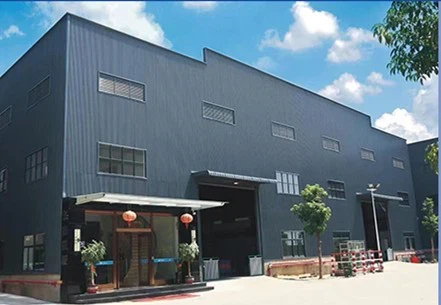
Our Factory
WISDOM MACHINERY is famous brand in the world, We are special in soft packaging& printing machinery, including stretch film making machine , film blowing machine,plastic bag making machine, flexo printing machine, recycling machine, slitting machine, filling machine etc.
Our Certificate

FAQ
Hot Tags: flexo press machine, China flexo press machine manufacturers, suppliers, factory
Previous
Inline Flexo Printing MachineYou Might Also Like


Send Inquiry