


Stretch Film Manufacturing Machine
WISDOM MACHINERY is famous brand in the world, We are special in soft packaging& printing machinery, including stretch film making machine , film blowing machine,plastic bag making machine, flexo printing machine, recycling machine, slitting machine, filling machine etc.
we are already sold to more than 168 country, such as: Hungary , USA,Mexico, Canada, Argentina, Brazil,Chile,Ecuador, Paraguay, Colombia, Peru, korea,malaysia, india,thailand, bangaladesh, phillppines, pakistan, Turkmenistan, Azerbaijan, Armenia, Indonesia. Iran , Saudi arabia, Syrian, Jordan, Lebanon, Palestine, kosovo, Israel.
Why Choose Us
Experienced and Professional Team
Our team is made up of experienced professionals who are committed to providing the best services and support to our clients.
High-Quality Products
We produce high-quality packaging machinery that meets international standards. Our machines are durable, reliable, and easy to operate.
Fast Delivery
We understand the importance of timely delivery, and we are committed to delivering our products within the shortest time possible.
Competitive pricing
They offer competitive pricing for their products and services, making them a cost-effective solution for your machinery needs.


Stretch Film Manufacturing Machine is an industrial-grade plastic wrap that is used to protect and secure items during storage and shipment. It is designed to be applied using a dispenser or stretch wrapper, which then stretches the film over the product being wrapped. This helps keep it safe from dirt, dust, moisture, and other environmental elements while in transit or storage. Stretch Film Manufacturing Machine's strong adherence also keeps cargo safe from tampering, theft, and pilferage while on the move. Common applications for Stretch Film Manufacturing Machine include pallet wrapping, bundle/unitizing packaging of smaller items, and covering large surfaces such as furniture or machinery for protection during relocation. It can also be used to bind together multiple products into one package or unitize them for transport. The elasticity of the material makes it ideal for wrapping, bundling, and unitizing a variety of products. Additionally, its lightweight nature makes it both cost-effective and time-saving when compared to other packaging materials. Stretch Film Manufacturing Machine is available in different sizes and thicknesses to meet the needs of any application. Its strong adherence ensures that items remain securely wrapped during transit or storage, giving customers peace of mind knowing their cargo will arrive in perfect condition. With its strength and flexibility, Stretch Film Manufacturing Machine is a great choice for industrial applications requiring an effective packaging solution.
Cost savings: Stretch Film Manufacturing Machine is a much more economical way to wrap pallets. It takes less time and labor to wrap a pallet with Stretch Film Manufacturing Machine than it does with other methods, resulting in significant cost savings.
Speed: Wrapping pallets with Stretch Film Manufacturing Machine is much faster than traditional methods. Some machines are capable of wrapping pallets in as little as 15 seconds. This increased speed allows businesses to complete more pallet wrapping tasks in less time, allowing them to get back to their other business operations faster.
Versatility: Stretch Film Manufacturing Machine can be used for a variety of different applications. It can be used to wrap products that are difficult to wrap using traditional methods, such as irregularly shaped or oversized products. It can also be used on pallets that require different levels of protection, allowing users to adjust the amount of film they use per application.
Strength: Stretch Film Manufacturing Machine is much stronger than traditional wrapping materials, making it an ideal choice for protecting delicate items during shipping and storage. This increased strength also makes it more difficult for the wrap to be punctured or torn, ensuring that products arrive at their destination in the same condition they left.
Environmentally friendly: Stretch Film Manufacturing Machine is a much more eco-friendly way to wrap pallets than other methods. It eliminates the need for excess material and packaging, reducing waste in the process. This makes it a great choice for businesses looking to reduce their environmental impact.
Types of Stretch Film Manufacturing Machine
Blown film extrusion machines
●Description: These machines use the blown film extrusion process to produce Stretch Film Manufacturing Machine. The process involves melting polymer granules and extruding them through an annular slit die, followed by blowing to expand the film into a tube and cooling it to form the film.
●Function: Blown film extrusion machines provide films with higher puncture resistance and more strength compared to other types. They allow for better control over film thickness and quality.
Cast film extrusion machines
●Description: In contrast to blown film machines, cast film extrusion machines use a flat die to extrude the molten polymer. The extruded film is then cooled on chilled rollers.
●Function: These machines produce films that are clearer and have better cling properties than blown films. Cast film machines generally have higher production rates and produce films with more consistent thickness.
Co-extrusion film machines
●Description: Co-extrusion machines combine multiple layers of material into a single Stretch Film Manufacturing Machine product. These machines can have two or more extruders to process different types of polymers or the same polymer with different properties.
●Function: The primary function is to produce multilayer Stretch Film Manufacturing Machines, where each layer can impart different characteristics such as strength, cling, puncture resistance, or barrier properties.
Pre-stretch film manufacturing machine machines
●Description: These machines are designed to stretch the film mechanically before it is wound onto rolls. The pre-stretching process improves the film's yield and can significantly reduce material costs.
●Function: They elongate the film by using rollers rotating at different speeds. The resulting film is thinner but has increased strength and is more economical due to reduced material usage.
Rewinding machines
●Description: After the film is extruded and wound onto large rolls, rewinding machines are used to convert these large rolls into smaller, more manageable rolls for commercial distribution.
●Function: These machines rewind the film from the larger rolls to smaller ones, often adding a secondary layer of packaging. They can also be used to inspect the film for defects and ensure quality control.
Application of Stretch Film Manufacturing Machine
Stretch Film Manufacturing Machine is engineered to be elongated, which means that once it is stretched the true characteristics of the material emerge. Because of its engineered properties, the film has much higher puncture and tearing resistance when stretched. It also has greater load holding ability.
Stretch-wrap machines are cost justified on material, labor savings, and load unitization improvements with the majority of machines paying for themselves in one to two years. In terms of material savings, consider that today's high-performance machines pre-stretch the material by 250 percent or more. This means that every foot of Stretch Film Manufacturing Machine when off the roll, covers two-and-a-half times more area than if the material was not stretched at all.
Compare "percent stretch" to the money a motorist would save over a year's time by improving an automobile's mileage from 10 miles per gallon to 35 miles per gallon, a 250 percent difference. Stretching the film offers that same type of saving - going farther at less cost. The material savings is highest when an organization upgrades from manual wrapping, only 10 to 20 percent stretch, or from an older stretch wrapping machine to a new semiautomatic or automatic machine capable of 250 percent or higher pre-stretch.
At one end of the labor spectrum, manual hand wrapping involves 100 percent direct labor. Semiautomatic stretch wrapping involves less direct labor - a worker attaches the stretch wrap to the pallet load, starts the machine, and then cuts the film tail at the end of the process. During the wrap cycle, the operator is free to attend to other tasks. Fully automatic wrapping equipment requires virtually no direct labor in the process. After the load is delivered via conveyor, the system automatically wraps the load, cuts and weighs down the film tail, and transports the wrapped load to a staging area ready for pickup.
Resin preparation: Stretch Film Manufacturing Machine Manufacturing Machine is made up of a unique blend of polymers, including various different additives such as pigments, UV resistance, and tackifiers.
The LLDPE resin is mixed with these additives, such as colorants and stabilizers, to achieve the desired properties of the film. Once the correct polymers have been loaded, the film extrusion process begins.
Extrusion: Firstly, the resin mix heated and melted until it is molten and has reached the correct viscosity. The molten material is forced through a flat die to begin the cooling and shaping process.
Cast film is cooled by passing the flat sheet through a series of large rollers, which cool and solidify the material. This process is known as casting because the resin in cast onto the chilled roller which gibes the film a smooth, transparent surface.
Blown film is a very different extrusion process to cast. The molten material is cooled by inflating the resin into a very large bubble, several meters tall. This causes it to expand and become thinner as it cools.
The size and thickness of the bubble is carefully monitored and controlled to ensure the film has the desired properties before it is fed into the machine to be stretched.
Winding: The stretched film is then wound onto large rolls, called
mother rolls, ready for the slitting process to begin.
Slitting: The large rolls of film are then slit into smaller
rolls of various widths, depending on the desired product specification.
Stretch Film Manufacturing Machine Manufacturing Machine Factors Influencing Viscosity
The influence of molecular weight
The molecular weight of the polymer used to make machine Stretch Film Manufacturing Machine can affect its viscosity. The higher the molecular weight, the thicker and stronger the film will be, and thus a greater amount of force will be required to stretch it. This is because high molecular weights are associated with long chains of molecules that require more energy to manipulate into an elastic form than those with lower molecular weights. Additionally, higher molecular weights generally give rise to greater intermolecular interactions that contribute to increased viscosity in the material. Therefore, when considering a type of stretch wrapper for a packaging application, it is important to consider their respective molecular weights as well as other factors such as thickness and puncture resistance. Doing so may result in enhanced performance characteristics and improved overall efficiency in the packaging process.
The effect of addition
Additives are commonly used in the production of machine Stretch Film Manufacturing Machine to modify a variety of material properties, such as viscosity. The level and type of additives used can have a significant effect on the resulting viscosity of the machine Stretch Film Manufacturing Machine. For example, certain plasticizers can be added to reduce the overall stiffness and increase flexibility, while other chemical agents may be incorporated to improve lubrication or provide enhanced adhesion characteristics. Additionally, any changes in temperature during manufacturing or storage could also impact viscosity due to thermal expansion or contraction of the polymers present in the composition. Ultimately, careful consideration must be given when selecting and combining additives to obtain desired physical properties for a specific application. Any alterations made should always be tested for suitability before production. Doing so can ensure the resulting machine Stretch Film Manufacturing Machine will meet customer requirements while providing the intended level of performance.
The storage temperature
Storage temperature greatly influences the viscosity of machine Stretch Film Manufacturing Machine. Shifts in temperatures, such as large increases or decreases during storage, can affect the molecular structure of a material and therefore its physical properties. For machine Stretch Film Manufacturing Machines, this means that when exposed to extreme temperatures over prolonged periods, the film will become too thick and brittle, or too thin and weak. Consequently, it is important to store elastic film in temperatures that are not extreme. As such, manufacturers must take into consideration the proper storage temperature of their machine Stretch Film Manufacturing Machines. This is especially important for industries that rely on consistent performance from their Stretch Film Manufacturing Machines to ensure quality and maintain efficiency in their operations. To retain the viscosity of machine Stretch Film Manufacturing Machines, manufacturers must be diligent in monitoring and maintaining the storage temperature of their products. This is crucial to ensure that their Stretch Film Manufacturing Machines can perform optimally and meet the demands of their respective industries.
Techniques to control viscosity
Viscosity control, then, is a crucial aspect of the effective and safe operation of stretch wrap machines. There are several primary techniques used to control viscosity: temperature adjustment, shear rate adjustment, use of additives to alter the surface tension of the material, and use of internal or external pressure systems.
Temperature adjustment involves heating or cooling the material at different points along its path to achieving desired viscosity levels. This technique is often used in combination with other methods for maximum effectiveness. Shear rate adjustment utilizes mechanical devices such as pumps and rheology devices to manipulate material properties like shear strain, which can affect viscosity. By varying the speed at which these devices operate, users can achieve the desired viscosity.
Additives can also be used to alter surface tension, allowing for more consistent and predictable control of viscosity. Commonly used additives include surfactants, waxes, and other chemical compounds. Similarly, internal or external pressure systems can be employed to manipulate the material's viscosity. By changing the amount of pressure applied to the material, users can adjust its rheology and viscosity levels.
Stretch Film Manufacturing Machines are durable and sturdy. But they're not immune to occasional failures or becoming timeworn. Like most pieces of equipment, they need to undergo routine maintenance to stay in optimal condition.
In this seven-step guide to maintaining your Stretch Film Manufacturing Machine, we'll explain some simple tasks that will help you and your employees keep this vital piece of machinery in excellent shape.
Keep It Clean
Regardless of the kind of stretch wrapper you have, it's important to keep it clean. Otherwise, debris will build up and become trapped in the machine's internal components. This can cause it to slow down or stop working entirely.
Prevent Film Buildup
Film can wrap around the rotating mechanism and become stuck. The stuck film prevents these mechanisms from rotating freely. This puts excessive strain on the bearing and can eventually result in wear-and-tear on the motors and blown fuses. Frequently inspecting the rotating mechanisms and removing any stuck film will help you avoid unwanted downtime and costly repairs.
Dust and Smudge-Free Sensors
One integral part of Stretch Film Manufacturing Machines that's commonly overlooked is the sensor. Sensors are usually sealed and out of sight, so it's no surprise that many people forget they exist. However, If the sensor becomes dirty, it can lead to equipment failure and delays. For this reason, you should make sure to inspect and clean the sensors as often as you inspect and clean other components.
Maintain the Drive Systems
The drive system consists of a transmission mechanism made up of chains, belts, or both. If these chains and belts aren't lubricated (or are lubricated too much), it can result in moving parts wearing down or slippage of the drive, which causes the stretch wrapper to improperly wrap loads.
The parts in the drive systems should also be inspected for damage and cleaned to remove debris. If the chains or belts break, the whole machine breaks, so it's important to do what you can to prevent damage to the drive system.
Lubrication Is Key
The drive system isn't the only part of the stretch wrapper that relies on lubrication. The bearings, bushings, and any other moving parts also require the occasional thorough greasing to function at their best.
Check the Pre-Stretch Rollers
If the pre-stretch rollers are covered in dust, dirt, and other contaminants, they'll have a hard time correctly pre-stretching film. If the film isn't being adequately pre-stretched, you'll wind up using more film than necessary. This increases material costs. You can clean the pre-stretch rollers by spraying them with isopropyl alcohol and scrubbing them with a brush.
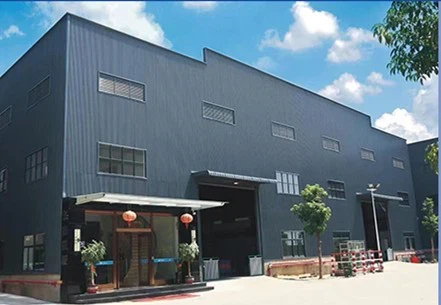
Our Factory
WISDOM MACHINERY is famous brand in the world, We are special in soft packaging& printing machinery, including stretch film making machine , film blowing machine,plastic bag making machine, flexo printing machine, recycling machine, slitting machine, filling machine etc.
Our Certificate

FAQ
Hot Tags: stretch film manufacturing machine, China stretch film manufacturing machine manufacturers, suppliers, factory
You Might Also Like


Send Inquiry