


Stretch Film Slitter
WISDOM MACHINERY is famous brand in the world, We are special in soft packaging& printing machinery, including stretch film making machine , film blowing machine,plastic bag making machine, flexo printing machine, recycling machine, slitting machine, filling machine etc.
we are already sold to more than 168 country, such as: Hungary , USA,Mexico, Canada, Argentina, Brazil,Chile,Ecuador, Paraguay, Colombia, Peru, korea,malaysia, india,thailand, bangaladesh, phillppines, pakistan, Turkmenistan, Azerbaijan, Armenia, Indonesia. Iran , Saudi arabia, Syrian, Jordan, Lebanon, Palestine, kosovo, Israel.
Why Choose Us
Experienced and Professional Team
Our team is made up of experienced professionals who are committed to providing the best services and support to our clients.
High-Quality Products
We produce high-quality packaging machinery that meets international standards. Our machines are durable, reliable, and easy to operate.
Fast Delivery
We understand the importance of timely delivery, and we are committed to delivering our products within the shortest time possible.
Competitive pricing
They offer competitive pricing for their products and services, making them a cost-effective solution for your machinery needs.


High performance blades for slitting and cutting thin stretch film such as: load stability film, waste wrap film, and agricultural film
In the high-precision world of plastic film manufacturing, the difference between a clean cut and a product mishap can be as thin as the film itself.
Tretch wrap or film for wrapping , or as it is also called stretch wrap or film for wrapping, is highly stretchable plastic film and used for various purposes, but mainly to protect goods from external agents, avoid damage during shipment and extend the storage life of products. Stretch film is usually made from PE as a raw material. Stickiness is important for stretch film.
Increased Productivity
An automatic takes much of the manual process out of packaging. Operators don't have to wait around to start or and stop the wrapping cycle (like with a semi automatic machine). With the pull of a cord, or the placement of a pallet on a conveyor, the wrapping cycle starts and stops.
Streamlined Production Process
When you introduce an automatic stretch wrapper into the production line, whether it's a turntable model or conveyorized automatic, it will make a difference to the pace of your work floor. An automatic machine frees up staff to do other tasks while the wrapper does its job. A forklift or pallet jack operator can place the pallet on the turntable or conveyor and then immediately begin preparing another pallet.
Savings on Film Costs
Both semiautomatic and automatic stretch wrapping machines are going to save a business money on film costs when compared to hand wrapping. Our pre-stretch carriage ensures the correct amount of stretch is applied to the film. The film threads past two rollers, where the second roller' rotational speed is faster than the first, thereby stretching the film. Not only does this increase the tensile strength of the film, it also reduces overall film costs.
Improved Safety
An automatic stretch wrapper keeps a forklift operator on the forklift – and that's a safety advantage right there. More than 80 percent of forklift accidents involve a pedestrian – someone who's walking around on the warehouse floor. Keeping forklift operators on their forklifts keeps them off the floor and focused on the job at hand. If you're upgrading from hand wrapping, which often causes wear and tear injuries, the automatic will inject safety from that perspective. An automatic stretch wrapper requires little interaction (or bending) from the operator. The pull of a cord from the forklift or the push of a button is all it takes to get the pallet wrapped.
The Different Types of Stretch Film
Hand Stretch Film
Hand stretch film is a specific film designed for hand-wrapping pallets. It is best for lower-capacity packaging operations and slower turnaround. Designed with a hand-wrapping method in mind, the hand stretch film rolls typically weigh about 10 pounds when full. Hand-wrapping pallets can cause injury over time for workers, and it's best to reevaluate your needs continuously to see if your operation could benefit from a stretch wrapping machine. These are much faster and apply the perfect amount of containment force every time to reduce the likelihood of primary packaging and product damage. Hand stretch film is not optimal for operations that wrap more than 10 pallets a day, as hand-wrapping isn't the most efficient method of wrapping larger quantities.
Machine Stretch Film
Machine stretch film specifically fits onto automatic and semi-automatic stretch wrapping machines. These come in much larger rolls than hand stretch film does, as machines have a larger capacity and don't have to worry about injuries or overextending themselves from lifting heavy stretch film rolls. Machine stretch film is best for use in a machine such as a turntable, rotary arm, rotary ring, or horizontal stretch wrapping machines. Automatic and semi-automatic stretch wrapping machines from Robopac USA provide the exact right amount of containment force every single time. This allows for more consistent packing, safer products, and less waste of stretch film. Investing in a stretch wrapping machine can benefit your business's secondary packaging operation greatly through added efficiency, less waste, and less product damage during shipment.
Cast Stretch Film
Cast stretch film is made using the process called case extrusion, which is when a thermoplastic material is continuously propelled through a flat die onto a chilled roll. This film type comes in different thicknesses that result from how fast the casting roll pulls the plastic away from the die during the case extrusion. This film type is very transparent, which allows the wrappers and shippers to see through the film to the wrapped product. This is good for operations that send multiple different products in one shipment since the product packaging will still be easily visible through the film. Although it does't have the most reliable tear resistance, it does stretch more easily. This is best for products that don't require maximum protection as this type of film may break more often than other films.
Blown Stretch Film
Blown stretch film results from the process of blown extrusion, which is when melted plastic is pumped through a circular die. This creates a thin, walled tube. Once air is allowed into the tube, the stretch tube can move to the desired width. Once this is accomplished, cool air is blown onto the film to cool it. This also works to make the film tougher and more tear-resistant than other film types. This film type is ideal for wrapping loads with sharp edges or more delicate products. One drawback of this type of film is that the film is much more opaque than other films, so it's difficult to see through with ease.
Pre-Stretch Film
Pre-stretch film is a film that undergoes stretching before it reaches the products on the pallet. It is stretched, sometimes, as close as possible to its resistance point-just before the point of breaking-and then applied to the load. This means that the amount of stretch film necessary per shipment is less, as the film can cover more area after stretching. It is thinner than other films and more prone to breaking without the right technology, but it can save product when you use it properly.
Color Stretch Film
Color stretch films are the best option to help with organization and color-coding. One of the most prominent issues in warehouses and distribution centers is disorganization. This is a huge waste of time and resources. One of the best ways to solve this issue is by introducing a system to help organize loads and make them more easily identifiable. Color-coding pallets is a great way to help organize and make your pallets easier to identify. This is a great system for color-coding or even dating inventory.
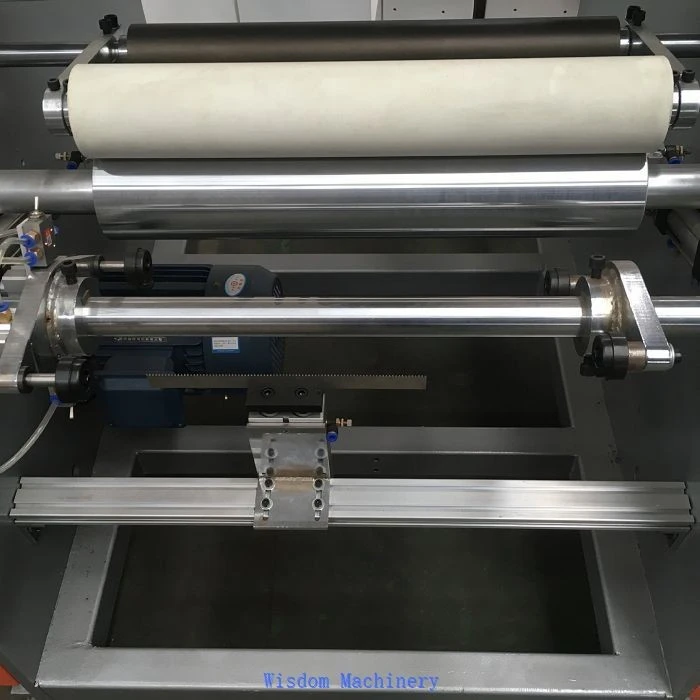
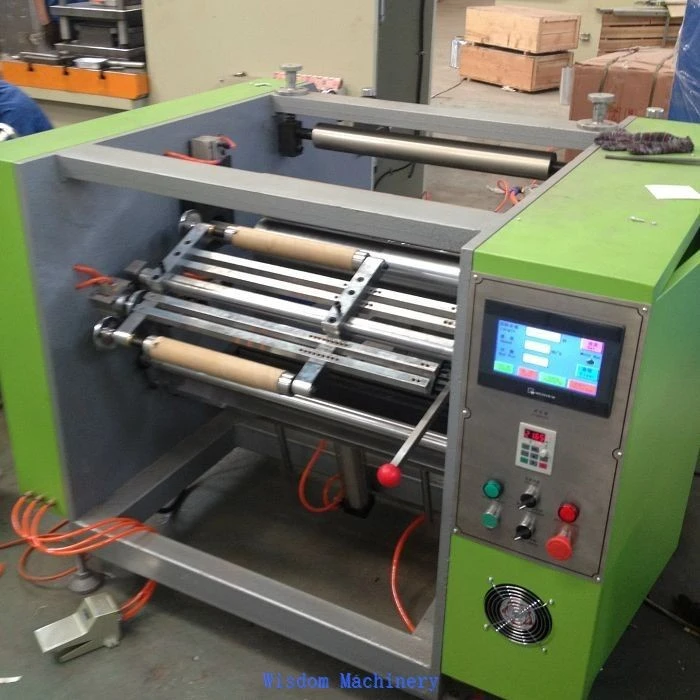
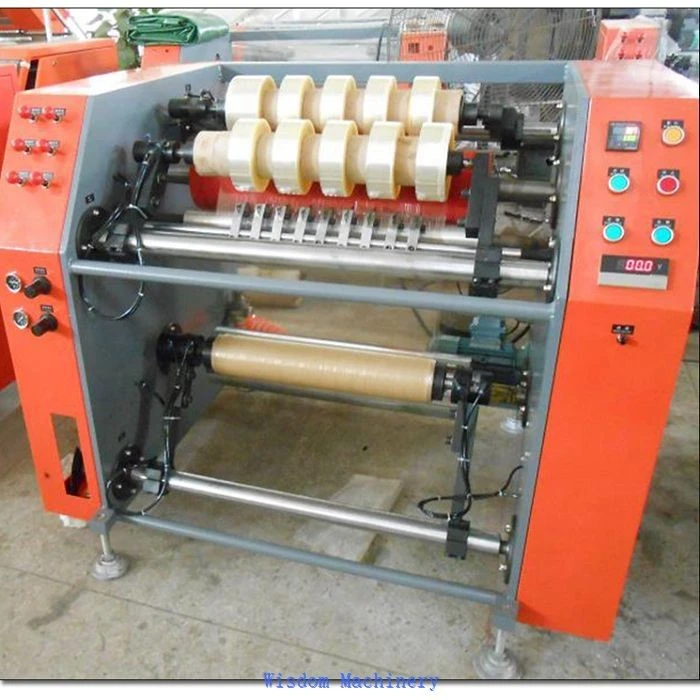
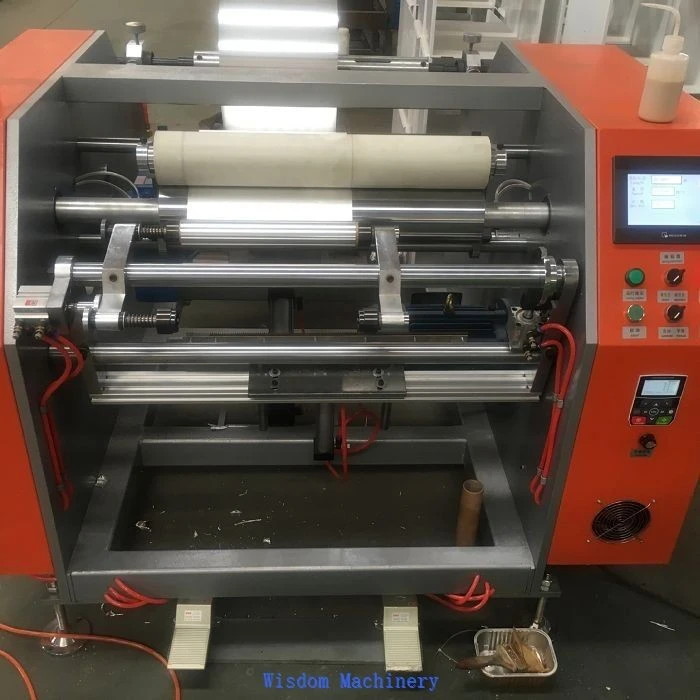
Stretch Film Slitter has high tensile strength and tear resistance, it also has good self-viscosity, so it can make the object wrapped into a whole and prevent it from falling apart during transportation.
Stretch film has excellent transparency, make the product looks beauty. After the development of the stretch film industry, the performance of manual stretch film, machine stretch film and color stretch film are improved . They become more save cost and labor .
All kinds of color stretch film not only have waterproof, dustproof, anti - damage and other functions , but also can help us to improve work efficiency and the product identification.
Stretch film is widely used in goods pallet packaging field, such as electronics, building materials, chemicals, metal products, auto parts, wire and cable, daily necessities, food, paper and other industries.
2 Ways to Produce Stretch Film: Blown VS Cast Stretch Wrap
Making stretch film is a process that needs technological competence and precision engineering. Stretch film can be made in two different ways: blown and cast stretch wrap. Two distinct methods that impact the film's performance and characteristics. Blown film is known for its superior load-holding force and puncture resistance, whereas cast film offers clarity and quiet unwind.
Blown Film Extrusion
Blown film extrusion is a manufacturing process used to produce a wide variety of plastic films, commonly used for packaging materials. The process involves extruding a plastic through a circular die to form a thin-walled tube. Air is then blown into the center of the extruded tube, inflating it like a balloon to several times its initial diameter. As the tube is drawn upwards by rollers, it cools and solidifies into a thin film. The speed of the rollers and the amount of air introduced can be adjusted to control the film's thickness and width. After reaching the desired dimensions, the continuous tube of film can be slit on one or both sides to create flat film layers, or it can be kept as tubing depending on the intended application. This process is versatile and can be used with a variety of thermoplastic materials, including polyethylene and polypropylene, allowing for the production of films with different properties and characteristics.
Cast Film Extrusion
Cast film is produced using the cast film extrusion process, which involves melting a thermoplastic resin and extruding it through a flat die onto a chilled roll where it is quenched, rapidly cooled, and solidified. As the molten plastic comes into contact with the chilled roll, the cooling process is quick, which results in excellent clarity and gloss properties of the film. Unlike blown film, the cast film process does not involve blowing air into the material; rather, the film is pulled by rolls directly from the die. This method allows for precise control over thickness and width and produces stretchy plastic sheet with outstanding optical qualities and strength.
There basic steps in the manufacturing processes are as follows:
Resin preparation: Stretch film is made up of a unique blend of polymers, including various different additives such as pigments, UV resistance, and tackifiers. The LLDPE resin is mixed with these additives, such as colorants and stabilizers, to achieve the desired properties of the film. Once the correct polymers have been loaded, the film extrusion process begins.
Extrusion: Firstly, the resin mix heated and melted until it is molten and has reached the correct viscosity. What happens next is what makes Cast and Blown film different. The molten material is forced through a flat die to begin the cooling and shaping process.
Cast film is cooled by passing the flat sheet through a series of large rollers, which cool and solidify the material. This process is known as casting because the resin in cast onto the chilled roller which gibes the film a smooth, transparent surface.
Blown film is a very different extrusion process to cast. The molten material is cooled by inflating the resin into a very large bubble, several meters tall. This causes it to expand and become thinner as it cools.
The size and thickness of the bubble is carefully monitored and controlled to ensure the film has the desired properties before it is fed into the machine to be stretched.
Winding: The stretched film is then wound onto large rolls, called
mother rolls, ready for the slitting process to begin.
Slitting: The large rolls of film are then slit into smaller rolls of various widths, depending on the desired product specification.
Stretch Film Slitter Machinery and Equipment
While sometimes done manually, stretch film can be applied with machinery and equipment to ensure consistent, efficient, and secure wrapping. These machines range from simple manual tools to fully automated systems.
Manual Dispensers and Tools: Ideal for low-volume applications or sporadic wrapping tasks, manual dispensers are handheld devices that make the application of stretch film more ergonomic and efficient. They often comprise a rolling system that allows users to wrap items without bending or stretching excessively. Some advanced manual dispensers have tension control features, ensuring the film is applied consistently. Additionally, edge protectors enhance the manual wrapping process.
Semi-Automatic Stretch Wrap Machines: Semi-automatic machines cater to businesses with medium to high-volume wrapping needs. These machines require an operator to place the pallet onto the turntable and initiate the wrapping process. The machine then spins the pallet, and the film is applied uniformly. Some of these machines come with adjustable settings for wrap tension, wrap count, and height detection, allowing for a more customized wrapping process.
Fully Automatic Stretch Wrap Machines: Designed for industries with high-volume packaging requirements, these machines can be integrated into production lines, allowing continuous packaging without significant human intervention. Pallets or products move on a conveyor, get wrapped, and then continue to the next phase, storage or shipping. Advanced sensors in these machines detect pallet size and adjust wrapping parameters accordingly. Their high-speed operation and consistent wrapping quality make them indispensable in large manufacturing or distribution facilities.
Benefits for Packaging
Load Holding: The elasticity and strength of the film ensure that products are held tightly together, minimizing movement during transportation. This is especially crucial for palletized goods, where shifting can lead to damage or product losses. With stretch film, businesses can have confidence in the stability of their packaged goods, even in challenging transit conditions.
Protection Against Dust, Dirt, and Moisture: Its seamless wrapping ensures that dust, dirt, and moisture are kept at bay, preserving the quality and integrity of the goods. This is particularly beneficial for products sensitive to environmental factors, ensuring they reach their destination in optimal condition.
Reduction in Tampering and Pilferage: The transparent nature of most stretch films allows for easy inspection of goods without unwrapping them. Any attempts at tampering or pilferage become immediately visible, serving as a deterrent for potential malicious activities. Furthermore, certain coloured or opaque stretch films can conceal the contents, adding an extra layer of security, especially for high-value shipments.
Cost-Effective and Reduces Packaging Time: Compared to alternative packaging solutions, stretch film is often more cost-effective regarding material costs and labour. Given its ease of application, especially with pre-stretched films or machinery, businesses can wrap goods faster, enhancing productivity. This efficiency translates to cost savings in both time and resources.
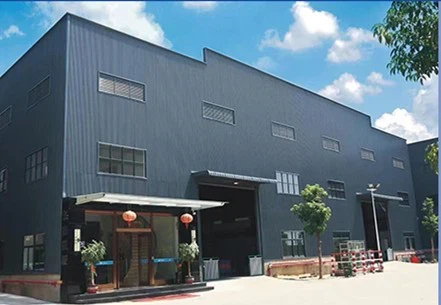
Our Factory
WISDOM MACHINERY is famous brand in the world, We are special in soft packaging& printing machinery, including stretch film making machine , film blowing machine,plastic bag making machine, flexo printing machine, recycling machine, slitting machine, filling machine etc.
Our Certificate

FAQ
Hot Tags: stretch film slitter, China stretch film slitter manufacturers, suppliers, factory
Previous
Stretch Film SlitterNext
No InformationYou Might Also Like


Send Inquiry